

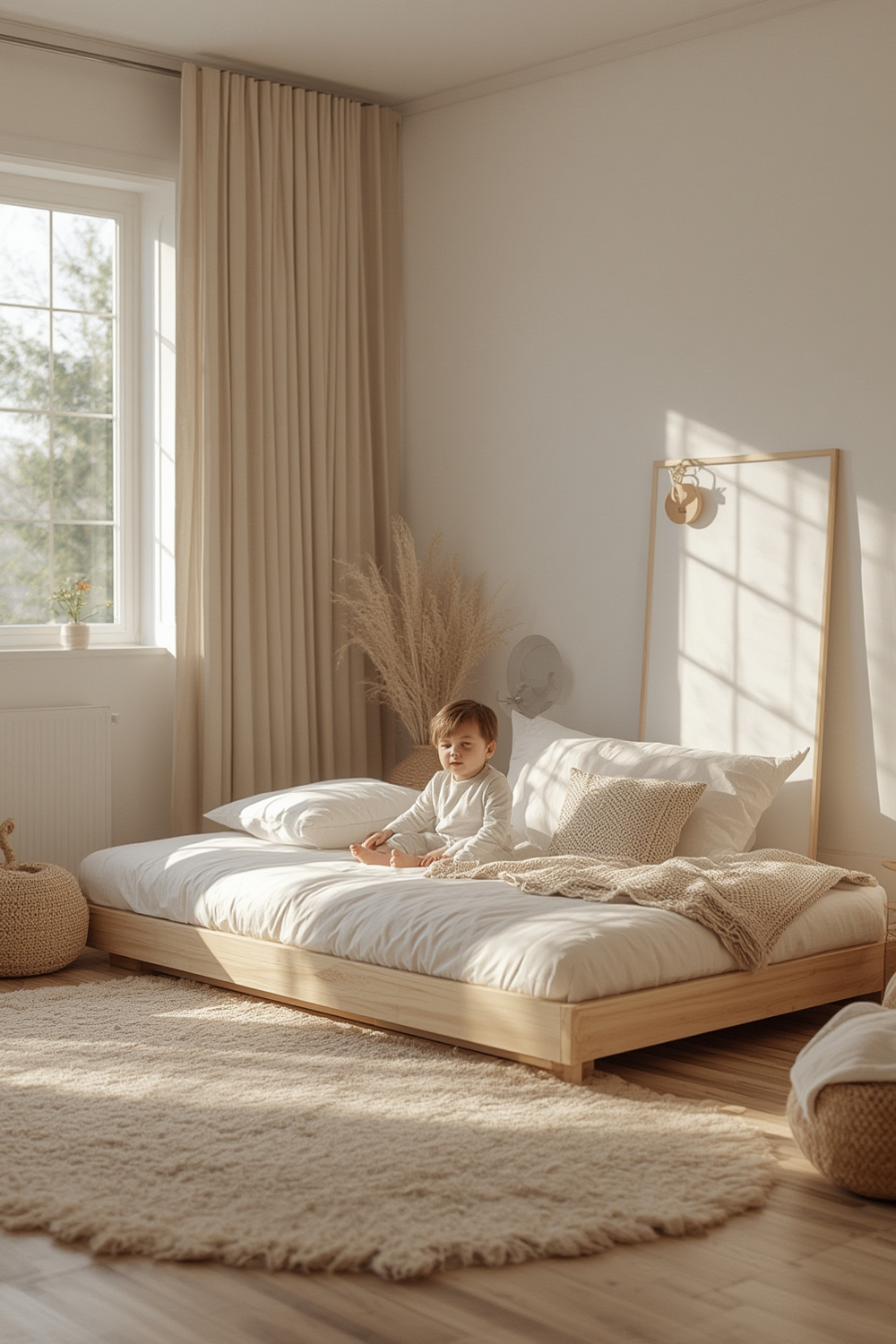
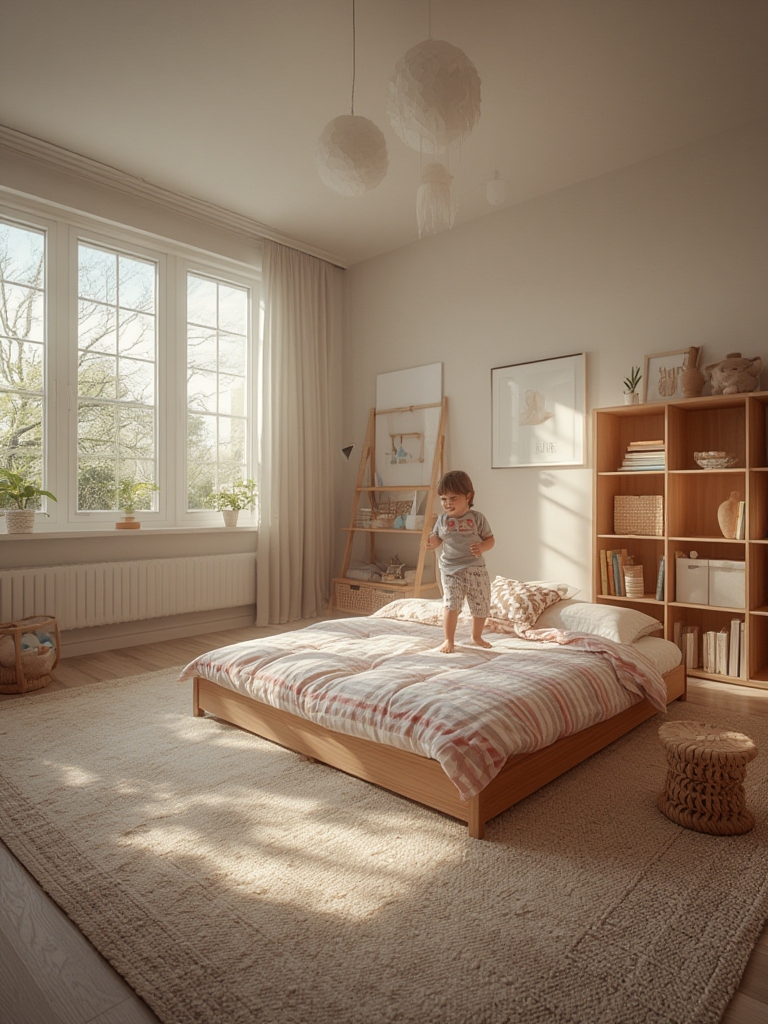
The Montessori Floor Bed Guide: Promoting Independence While Keeping Your Home Stylish & Safe
Montessori Floor Bed setups are rapidly gaining attention among modern parents seeking to encourage their child’s independence. However, success with this method depends on practical planning and an honest look at both the developmental benefits and common setup frustrations. At DailySmartHome.store, we believe your home should be a sanctuary for every family member—including the smallest ones.
Key Takeaways
- Growing Trend: The Montessori bed market is expanding as more families lean into minimalist, child-centered home design.
- Smart Planning: Cost, room dimensions, and childproofing are the top priorities before making a purchase.
- The Reality Check: While great for autonomy, these beds require thorough research into safety data and logistical setup.
The Core Concept: Why Go Low?
A Montessori floor bed is a mattress placed directly on, or just above, the floor—eliminating high rails or traditional frames. The philosophy is simple: give children safe freedom of movement and allow them to control their environment. By letting them get in and out of bed on their own, you boost their autonomy and confidence from a young age.
This approach fits perfectly into a modern, minimalist home. Recent data suggests the Montessori floor bed market could hit $2.2 billion by 2033. This growth is fueled by a broader emphasis on sustainable home products and the “smart home” desire for multi-functional spaces.
Step-by-Step Guide to the Perfect Setup
Ready to transform your nursery? Here is a practical plan to avoid common pitfalls and create a safe sleeping oasis.
💡 Pro Tip: Always measure your room and outline the bed footprint with painter’s tape before buying. Ensure there’s at least two feet of clear space on all sides for safe access and easy cleaning.
🔥 Habit Hack: If you’re worried about drafts or cold floors, place a low-pile rug or foam play mat underneath the mattress for added insulation.
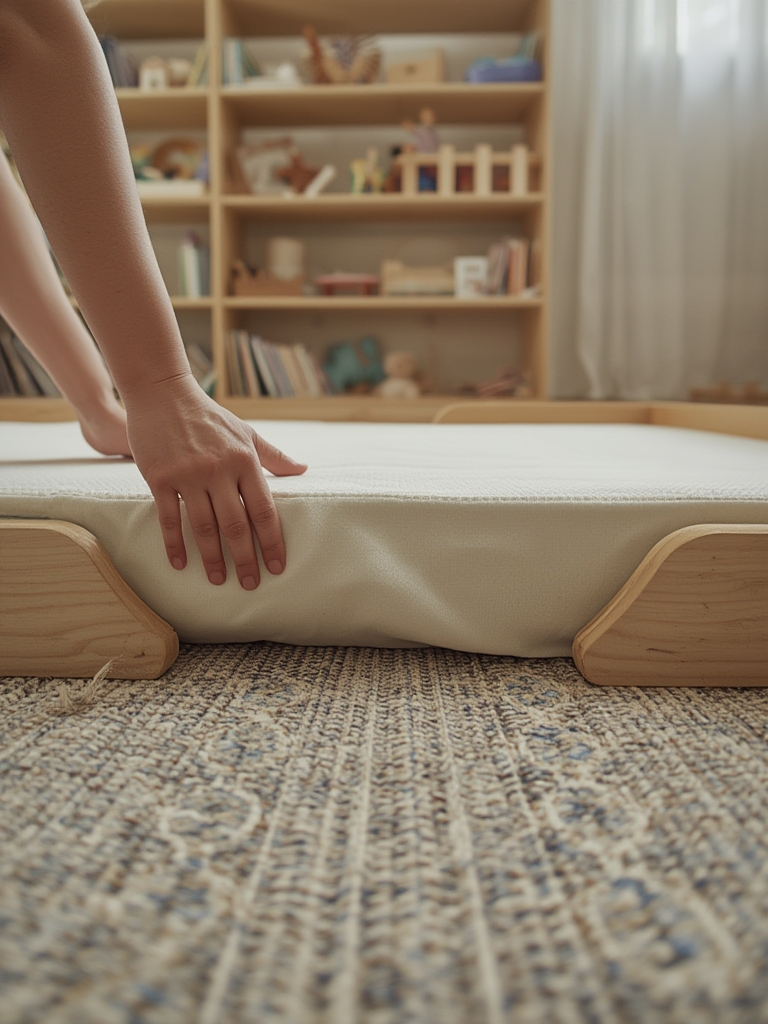
- Select Your Style: Most families start with a toddler or twin-size mattress. Ensure the mattress fits snugly within the frame to prevent gaps. Look for sturdy materials like Baltic birch or solid wood.
- Assess Readiness: Most experts suggest starting between 12–18 months, but every child is different. Monitor their mobility and ability to move safely before fully committing.
- The “Full-Room” Childproof: Because your toddler now has floor-level access to everything, you must secure furniture to the walls, cover all outlets, and remove any small hazards.
- Airflow & Maintenance: To prevent moisture build-up, use a slatted low-frame (no higher than 6-7 inches). Remember to vacuum beneath the bed weekly and rotate the mattress monthly to keep the sleeping area fresh and allergen-free.
Advanced Analysis: Montessori vs. Traditional
| Feature | Montessori Floor Bed | Conventional Toddler Bed |
| Independence | High; child moves freely | Low; restricted by rails |
| Room Safety | Entire room must be childproofed | Only the bed area needs focus |
| Transition | May require a “learning period” | Familiar feel for crib-sleepers |
| Maintenance | Requires frequent floor cleaning | Standard cleaning routine |
Common Pitfalls to Watch For
- Cost vs. Quality: Specialty frames often cost more than mass-market beds. While DIY is an option, ensure your build meets basic stability standards—frames should ideally support adult weight (up to 300–450 lbs) for bedtime stories.
- Transition Struggles: Expect some sleep interruptions initially. Introduce the bed during nap times first, and consider using a baby gate at the door for extra peace of mind during the first few nights.
- Space Requirements: Floor beds can make a small room feel crowded. If you’re tight on space, check out our guides on organizing home spaces for kids’ needs to maximize your square footage.
Conclusion
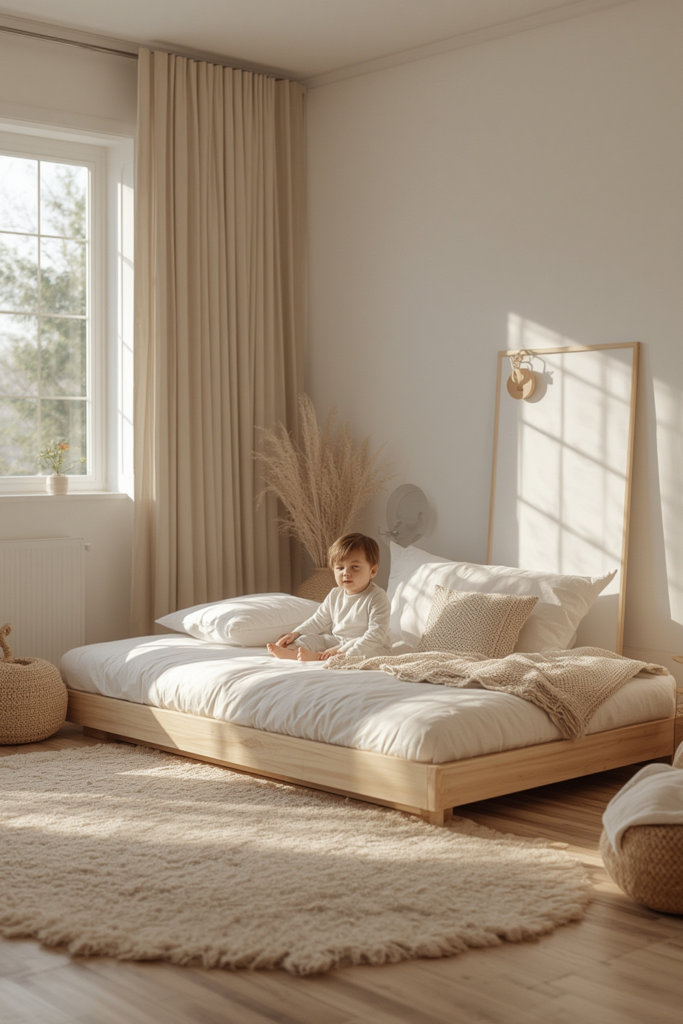
A Montessori floor bed is a meaningful choice for parents who value early autonomy and clean, modern design. While it requires a bit more prep work in terms of room safety and maintenance, many families find the reward—a confident, independent sleeper—is well worth the effort.
By combining smart technology like room monitors with thoughtful furniture choices, you can create a bedroom that grows with your child. For more ways to upgrade your living space, explore our latest reviews on smart kitchen gadgets and pet-friendly home improvement.
Frequently Asked Questions
What age is best to start? Most parents transition between 12 and 18 months, depending on the child’s mobility.
Are they safe? Yes, provided the entire room is “anchored” and childproofed. Look for GREENGUARD Gold certified frames for the best indoor air quality.
How do I keep my toddler in bed? Consistency is key! Use a clear bedtime routine and consider a “ready-to-wake” light to help them understand when it’s okay to get up.
Looking for more ways to improve your home? Join our community at DailySmartHome.store for daily tips and exclusive Amazon deals!